What Surfaces Can Be Laser Cleaned (and Which Can't)?
Stainless, cast iron, carbon steel, aluminum and more, plus the materials and situations where a laser is a poor fit.
Last updated · 2 min read · Sources linked in the text
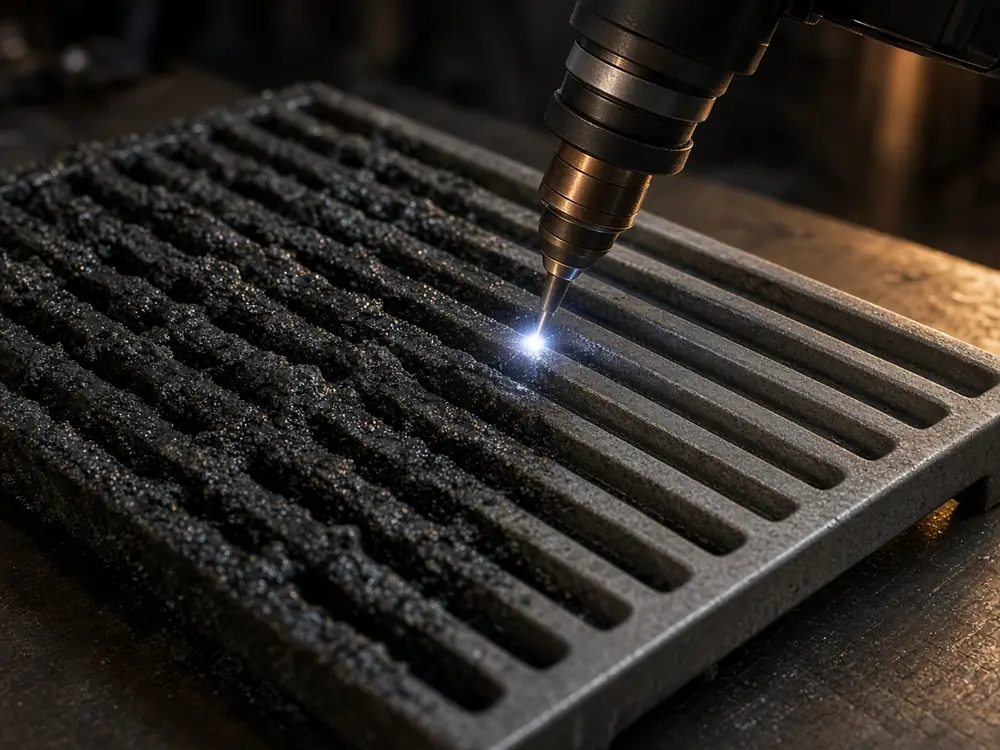
Most metals are good candidates for laser cleaning when the settings are matched to the material. Plastics, most rubber, clear glass and anything the beam can't reach are not. Every surface gets a test spot first.
Metals
- Stainless steel. Common in kitchens and a good fit, with care. Too much heat input can cause heat tint and affect corrosion resistance, so settings are kept to the lowest that works and the finish is checked (PMC study on 304L stainless).
- Cast iron. Grates and griddles clean well, but the laser removes seasoning along with the carbon, so seasoned pieces need re-seasoning (Pristine Laser Restoration).
- Carbon steel. Rust and scale come off well (Laserax). Bare steel will flash-rust again if it's left unprotected.
- Aluminum, copper, brass, bronze. Workable with adjusted settings. These are more reflective, which matters for both results and safety.
Other surfaces
- Concrete, brick and stone. Selected applications, such as graffiti or localized staining, with a test patch first. On historic masonry, the National Park Service calls laser cleaning effective for limited areas but "expensive and generally not practical" for most projects (NPS Preservation Brief 1).
- Wood. Paint and varnish removal is possible on some pieces, with care and testing.
Poor fits
- Plastics and most rubber. Difficult or unsuitable, especially with handheld systems (Adapt Laser).
- Clear glass. Often lets the laser energy pass through (LaserCleaning.co.uk).
- Hidden surfaces. Laser cleaning is line-of-sight. Deep cavities, backsides and internal piping may be out of reach (Tri-State Laser Cleaning).
- Badly corroded parts. A laser removes corrosion. It doesn't put back metal that's already gone.
Food-contact surfaces
Laser cleaning removes buildup. It doesn't sanitize. Food-contact surfaces are washed, rinsed and sanitized according to your local health code before they go back into service (FDA Food Code 2022).
More from the guide
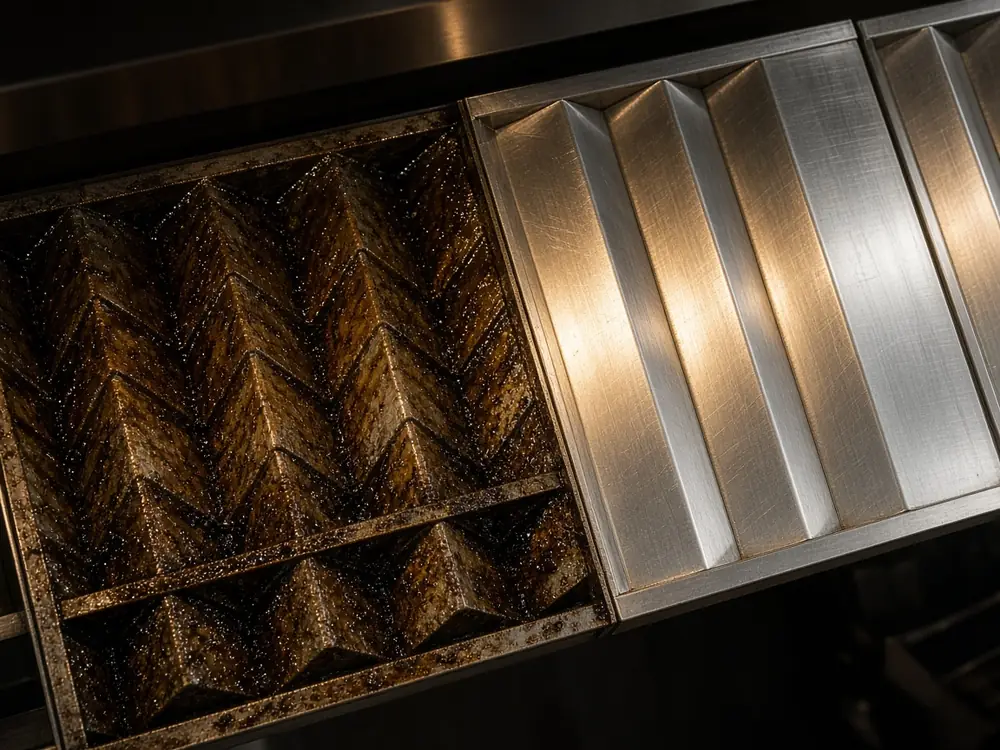
How Often Should Restaurant Equipment and Hood Systems Be Cleaned?
The NFPA 96 inspection schedule in plain words, the Food Code baseline, and a starting schedule for the equipment under the hood.
Read the guide →The Cost of Skipping Cleanings
Fire data from NFPA and USFA, what inspectors look for, and why the deep clean gets harder the longer you wait.
Read the guide →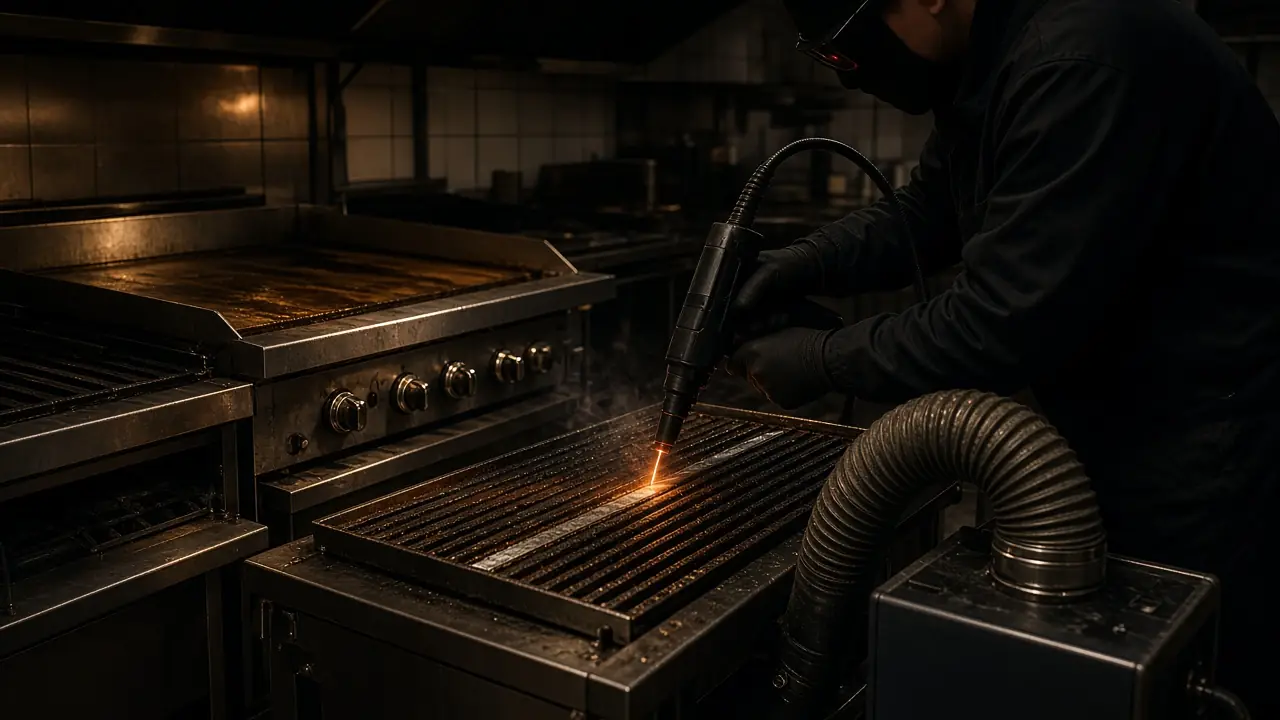
Laser Cleaning vs. Chemical Degreasers vs. Pressure Washing
What each method uses, what it leaves behind, what it's best for, and when not to use a laser.
Read the guide →See what precision can do for your equipment.
Send us what you’re working with. ArcLight will look at the material, the buildup and your schedule, and tell you honestly whether laser cleaning is the right tool.
Request an asset assessment