The Cost of Skipping Cleanings
Fire data from NFPA and USFA, what inspectors look for, and why the deep clean gets harder the longer you wait.
Last updated · 2 min read · Sources linked in the text
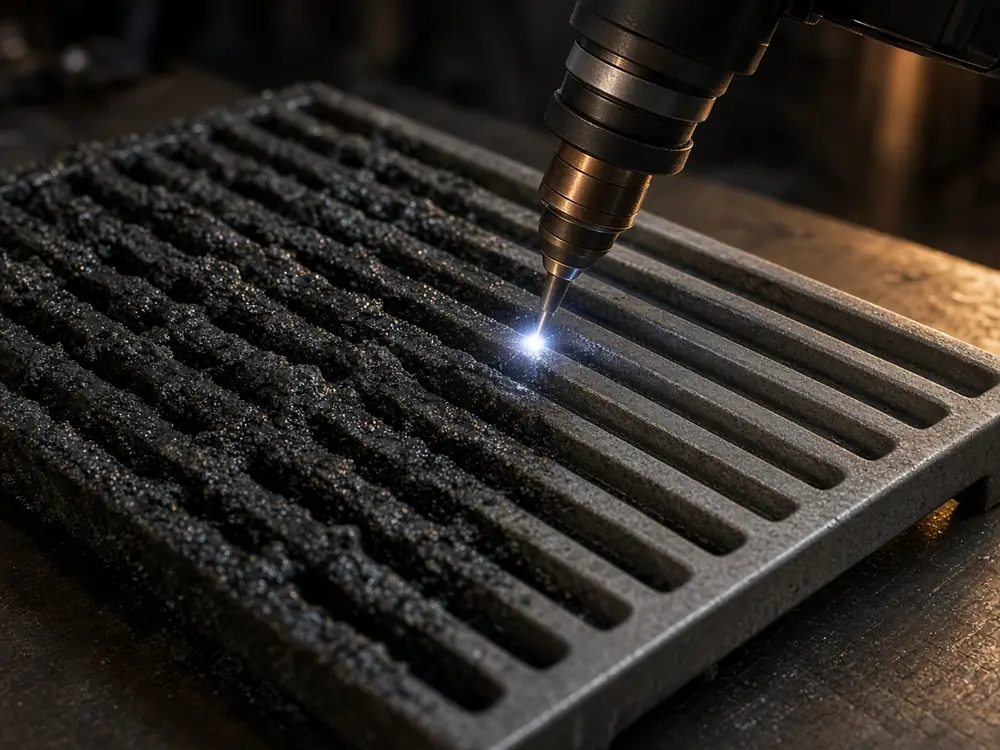
Skipping cleanings costs more than the cleaning: in fire risk, in inspection trouble and in the time it takes to dig out once buildup is baked on.
Fire
The numbers are national averages, but they're clear about grease:
- U.S. fire departments responded to an average of 7,410 structure fires a year in eating and drinking establishments from 2010 to 2014 (NFPA).
- Those fires caused an average of $165 million in direct property damage a year (same source).
- Cooking equipment was involved in 61% of them (same source).
- Failure to clean was a contributing factor in 22% (same source).
The U.S. Fire Administration's earlier look at restaurant building fires (2007–2009 data) found cooking was the leading cause, at 59 percent (USFA). The two studies use different data and years, so the numbers aren't directly comparable, but they point the same way.
Inspections and records
Health inspectors check equipment surfaces against the local version of the FDA Food Code, which expects cooking surfaces "free of encrusted grease deposits" (4-601.11). Fire inspectors check the exhaust system against its NFPA 96 schedule and look for the service record. Markel, a commercial insurer, notes each fire protection system should carry a tag with the month and year of service and who did it (Markel).
A dated record with photos means you can answer "when was this last cleaned?" without guessing.
Harder cleaning later
Fresh grease wipes off. Grease that's been through hundreds of heat cycles polymerizes and turns to carbon, and that layer resists degreaser and scraping. At that point the options are aggressive chemicals, a lot of labor, or a method like laser cleaning that removes the bonded layer. Regular cleaning keeps you out of that corner.
Downtime
Equipment that's soaking, being scraped or running a long self-clean cycle isn't cooking. Scheduling deep cleaning before opening, after close or on a slow day keeps the line available. See laser cleaning day.
More from the guide
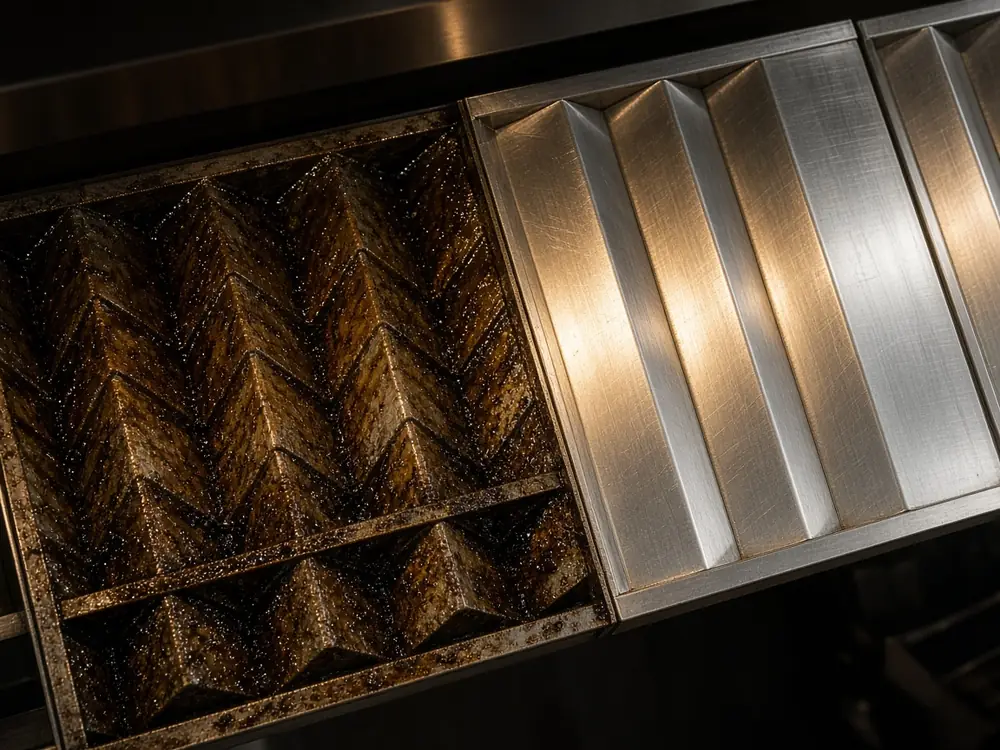
How Often Should Restaurant Equipment and Hood Systems Be Cleaned?
The NFPA 96 inspection schedule in plain words, the Food Code baseline, and a starting schedule for the equipment under the hood.
Read the guide →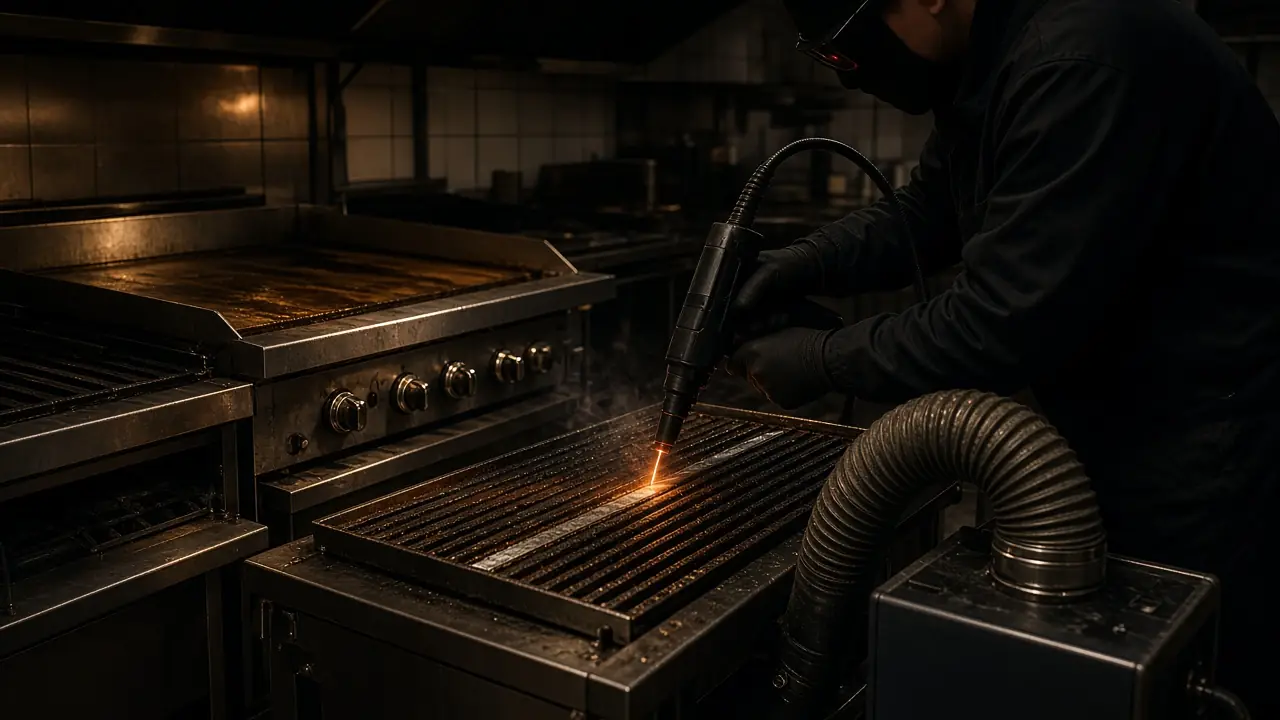
Laser Cleaning vs. Chemical Degreasers vs. Pressure Washing
What each method uses, what it leaves behind, what it's best for, and when not to use a laser.
Read the guide →What Surfaces Can Be Laser Cleaned (and Which Can't)?
Stainless, cast iron, carbon steel, aluminum and more, plus the materials and situations where a laser is a poor fit.
Read the guide →See what precision can do for your equipment.
Send us what you’re working with. ArcLight will look at the material, the buildup and your schedule, and tell you honestly whether laser cleaning is the right tool.
Request an asset assessment